About Us
Overview
The Tokyo Metropolitan Edo-Tokyo Museum opened in March 1993 as a place that would allow us to look back on the history and culture of Edo-Tokyo, and consider the future of the city and its people. Housed in a unique building designed by Kikutake Kiyonori, the museum has been one of Tokyo's most well-known cultural facilities since its opening, introducing the history primarily from the approximately 400-year period from when Tokugawa Ieyasu took up residence in Edo to the present day, through precious real-life materials, reconstructed models, and interactive exhibits.
Basic Policy
The Tokyo Metropolitan Edo-Tokyo Museum aims to be a cultural facility that bustles with visitors by offering high-quality programs inspired by Edo's unique aesthetic sensibility—"iki"—and as a specialized museum of urban history. It has reinterpreted this "iki and bustle" in contemporary terms as its fundamental operational policy.
Through the core functions of a museum—collecting, preserving, and exhibiting materials—we preserve the history and culture of Edo-Tokyo. We will widely share the results of our research with Tokyo residents and carry out a wide range of outreach activities. Furthermore, the Edo-Tokyo Museum will serve as a hub for tourism and regional development, promoting interaction among visitors from both Japan and overseas.
Greetings
About 30 years since its opening in 1993, the Tokyo Metropolitan Edo-Tokyo Museum closed for a four-year long-term closure starting April 1, 2022, for major renovation work. It will reopen on March 31, 2026.
We sincerely apologize for the inconvenience and delays caused during the construction period. We look forward to welcoming you soon to the newly renovated Edo-Tokyo Museum.
Even during our temporary closure, we pursued various initiatives to become an iconic institution representing Edo-Tokyo. These included organizing exhibitions at museums in other prefectures and overseas, implementing a traveling museum program, and advancing the digitization of our collection materials. These efforts helped us gain wider recognition.
In preparation for our reopening, we are working diligently to ensure our facility will be one that makes people want to visit again. We would be delighted if you could visit the Museum to see the actual materials and exhibits in person when we reopen after our renovation.
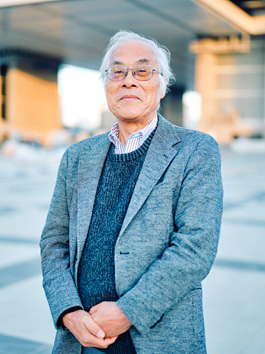
Terunobu Fujimori,Director of the Edo-Tokyo Museum
Logo design
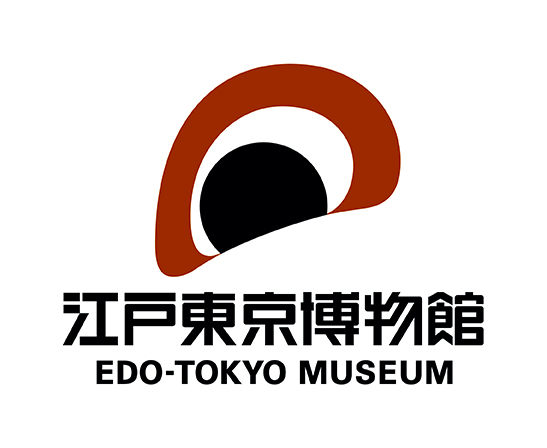
The logo of the Tokyo Metropolitan Edo-Tokyo Museum was designed by Koichi Sato for the museum's opening in March 1993. It is based on the right eye of the famous actor portrait "Ichikawa Ebizo as Takemura Sadanoshin" painted by Toshusai Sharaku, an enigmatic ukiyo-e artist of the Edo period.
The intense expression in his eyes at the moment he strikes a pose captures the surprise and curiosity of museum visitors.
Moreover, the gaze from the distant Edo period seems to watch over not only the present but also the future of Tokyo.
The logo design underwent a minimal yet refined and effective revision for the grand reopening after the major renovation in 2026. This update maintains the original design from the Museum's founding while ensuring adaptability across diverse media and information environments.
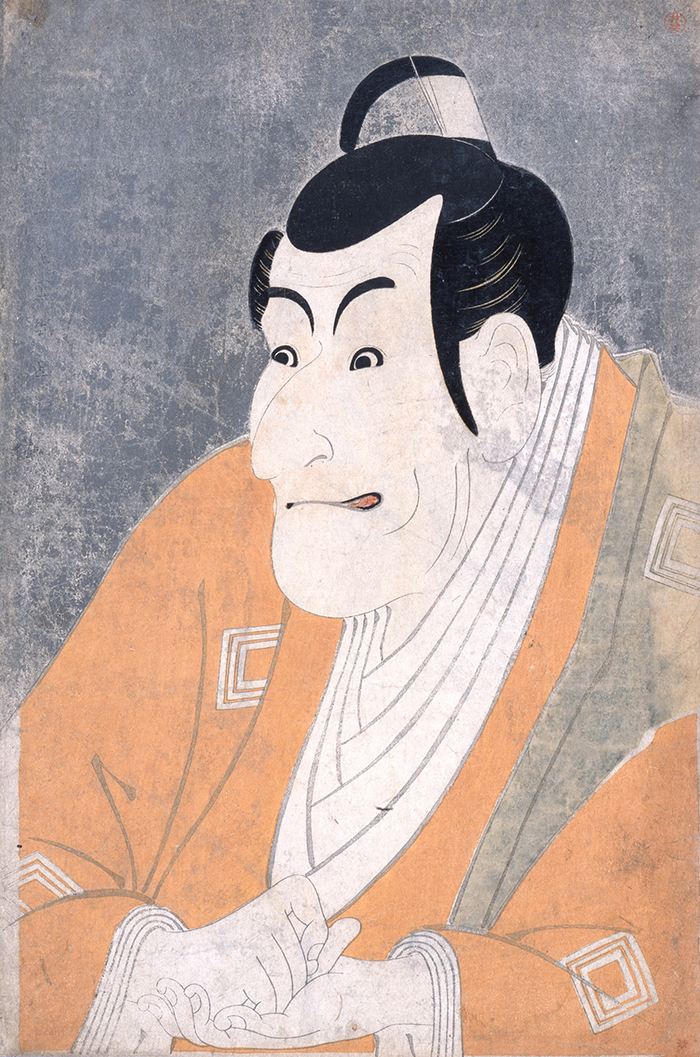
Toshusai Sharaku
Collection: Tokyo Metropolitan Edo-Tokyo Museum
Official character Gibo-chan
It was created through a public contest in March 2003, on the occasion of the 10th anniversary of the opening of the Edo-Tokyo Museum. Gibo-chan was designed based on the image of the pillar that holds the giboshi ornament on the balustrade of Nihonbashi Bridge, located in the permanent exhibition room on the 6th floor of the Edo-Tokyo Museum.

30th Anniversary a History

What is the Edo-Tokyo Museum?
The Edo-Tokyo Museum is a museum of Tokyo urban history, which exhibits the history, life, and culture of the city from the 1600s to today. Its permanent exhibition area on the 5th to 6th floors covers a vast space of almost 100,000 square feet.
What is “Edo”?
More than 400 years have passed since warlord Tokugawa Ieyasu established his government in Edo, located in today’s Tokyo area. By the early 18th century, Edo had become one of the world’s largest metropolises, with a population of about one million people. By the late 18th century, its own distinctive culture had flourished, and it had become Japan’s de facto capital, where people, manufactures, and information converged from all over the country.
Culture of the Edo people
Edo was a lively center from which spread the latest trends and cultural products, such as kabuki theatre, popular and religious festivals, fashion, and ukiyo-e woodblock prints. In time it became a major destination that attracted visitors from all over the country. Edo townspeople adopted these trends and cultural products, making Edo culture more sophisticated.
Edo culture and Europe in 19th century
Exported Japanese ceramics and lacquerware were highly appreciated and met the taste of the European upper class. Ukiyo-e woodblock prints, which had been introduced to Europe in the mid-19th century, influenced Impressionist painters.
From Edo to Tokyo
The restoration of imperial power in 1868 (Meiji Restoration) brought to an end the military regime established by the Tokugawa family in Edo two and a half centuries before. The capital was transferred from Kyoto to Edo, which was renamed Tokyo (“Eastern capital”), while Edo Castle, former residence of the Tokugawa chieftains, became the new imperial palace.
